Solar generators explained: how they work at home
Disclosure: Some links in this guide are affiliate links. If you buy through them we may earn a commission, at no extra cost to you. We only link to products the guide is about. How we make money.
On this page
- The short answer
- What a solar generator is
- How a solar powered generator works
- Other ways to fill the battery
- A worked example: capacity, solar input and runtime
- Do it yourself: what that really means
- Safety: never plug it into a wall outlet
- What a small kit can and can't do for a home
- What to compare before you buy
- FAQ
- Sources
- What to do next
The short answer
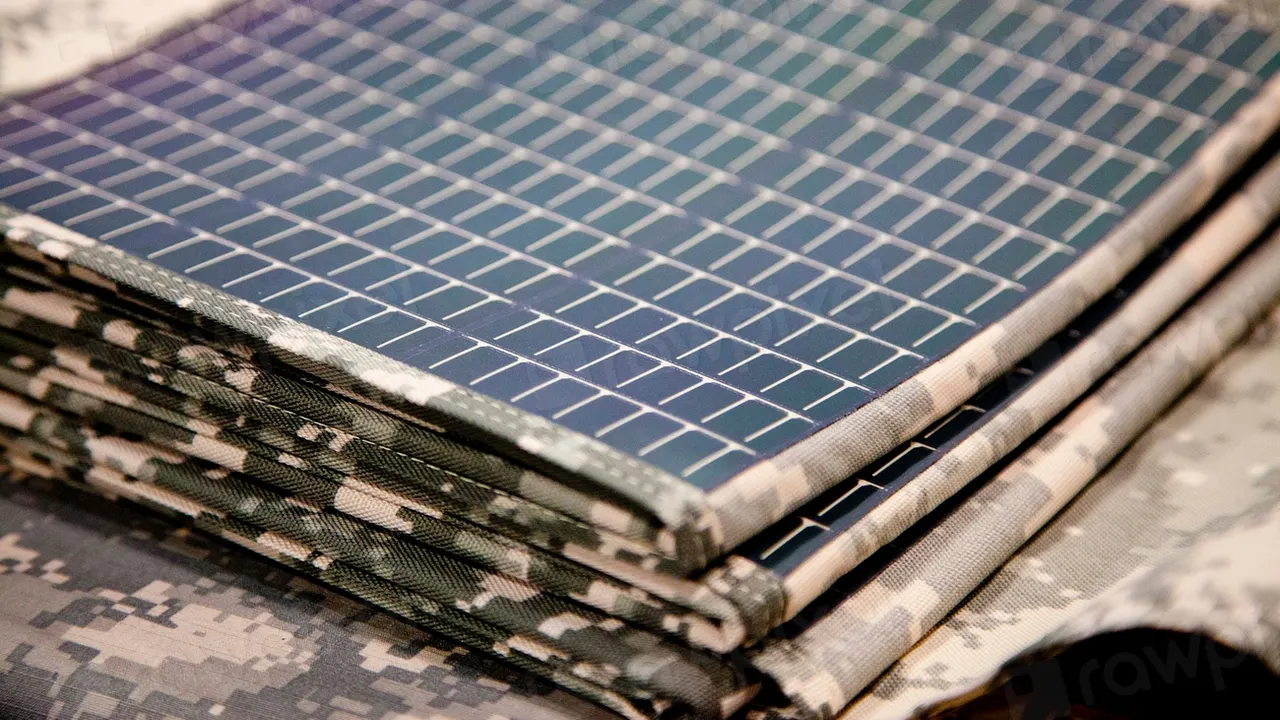
A solar generator is a battery power station paired with solar panels. Goal Zero says it uses "a Yeti Power Station and a solar panel to provide essential backup power." 3 It doesn't burn fuel. It suits a few essentials in an outage, not a whole house.
What a solar generator is
The name misleads people. Nothing inside burns anything. Goal Zero puts it plainly: "Solar generators use a Yeti Power Station and a solar panel to provide essential backup power." 3
Bluetti's wording is broader. It says "the term solar generator can actually be referred to any technology capable of being powered by the sun's energy." 2 In shops, though, the term usually means a battery box sold with panels.
Two parts, two jobs. The panels collect sunlight. The box stores it and has the outlets. If you want the box on its own, see what a power station is and does. A single maker's bundles are in the Jackery kit breakdown.
How a solar powered generator works
Follow the electricity from the sky to your lamp.
1. Panels turn sunlight into electricity. Goal Zero says they "absorb the sun's rays and convert that energy into usable electricity". 3 2. A charge controller sits between panels and battery. Bluetti says controllers "balance the power dynamic between the solar panels and batteries." 2 3. The battery stores the energy. Bluetti says the storage is "usually comprised of lithium-ion technology." 2 4. An inverter changes the battery's direct current (DC) into the alternating current (AC) that household plugs use. Bluetti says it "converts the low direct current (DC) from the battery to alternating current (AC)". 2
Goal Zero lists the finished result: "AC ports (wall outlets), USB ports, and 12V ports." 3
The battery holds the energy, so you can use it after dark.
Other ways to fill the battery
Sunlight isn't the only way in. Goal Zero says its units "do not need to be connected to the power grid." 3 Some stations also take a wall outlet, so check the manual for yours.
That helps with planning. Wall power may be the quicker top-up before a storm. In an outage, panels are how you refill without the grid.
Bluetti is frank about the trade-offs: "there are some drawbacks such as the limited power capacity, slow recharge time, and reliance on the sun." 2 Cloud, shade and short winter days all slow things down.
A worked example: capacity, solar input and runtime
Take one model. EcoFlow's DELTA 2 page says it "lets you store 1kWh" and lists "1800W" of output and "up to 500W input" from solar. 4 We haven't checked a price; the maker's page shows today's US dollar figure.
Watt-hours (Wh) measure how much energy a battery holds, and watts (W) measure how much it supplies at once. EcoFlow's "1kWh" equals 1,000 Wh. 4
Now a runtime estimate. It assumes 90 percent of the stored energy is usable after conversion losses. That 0.9 is our assumption, not EcoFlow's. 4
- A 100 W load, such as a router and a light: 1,000 Wh × 0.9 ÷ 100 W = about 9 hours. 4 - A 500 W load: 1,000 Wh × 0.9 ÷ 500 W = about 1.8 hours. 4
These are estimates, not promises. Check each appliance's label for its real watts. Motors can pull far more for a moment when they start.
On the solar side, Goal Zero says "the larger the solar panel and higher Watts, the more electricity the solar panel will generate in a certain amount of time." 3 It adds: "For faster charging, you can combine more solar panels." 3
Do it yourself: what that really means
People search for a "do it yourself solar generator" and mean two different things.
The first is buying a power station and panels separately, then pairing them. That's ordinary shopping, and the catch is compatibility. If you mix brands, check the station's solar input limits in the manual first.
The second is building a battery or inverter from loose parts. We don't cover that, and we won't give steps. Packs and wiring are a safety risk. Use a finished product that follows its maker's manual.
Anything wired into your home is a different job again. That belongs to a licensed electrician.
Safety: never plug it into a wall outlet
Don't run a cord from the station into a wall outlet to feed the house. That's backfeeding. Poudre Valley REA says the risk reaches "the neighboring properties, and to our lineworkers and other first responders." 5
Safe Electricity says the safe route is this: "Have a qualified electrician install a transfer switch." 6 Our guide to why homes use a transfer switch explains the reasoning.
Plug your devices into the station's own outlets. Follow the maker's manual for placement, charging and weather.
One difference from a fuel unit is worth knowing. Safe Electricity says a fuel generator needs a "dry, open, well-ventilated area away from the home or garage" and warns of "carbon monoxide poisoning (CO) from fumes." 6 A fuel generator never runs indoors, and your station's manual tells you where it can go.
What a small kit can and can't do for a home
A small kit can keep phones, a router and a few lights going. Jackery says larger units "keep a refrigerator, WiFi router, lights, and other essential devices running through multi-hour and multi-day outages." 1 That's the maker's description. We haven't used this equipment.
It won't replace a wired system. For that, compare how a whole-home battery system works or the cost side in what a standby generator costs. A fuel-burning alternative is a Generac whole house generator. For a plug-in setup sized for one room or a fridge, see using a power station for home backup.
What to compare before you buy
Put the maker's figures side by side:
- Capacity (Wh or kWh): how much energy the battery holds. - Continuous output (W): what you can run at the same moment. - Solar input (W): how fast panels can refill it. The DELTA 2 page lists "up to 500W input." 4 - Panels in the kit: how many, and the rating of each. - Battery chemistry: why LiFePO4 matters for battery life is worth reading first. - Price and warranty: read both on the maker's page, with the date you checked.
Frequently asked questions
How does a solar generator work?
Panels make electricity from sunlight, a charge controller manages it and a battery stores it. Bluetti describes "collecting solar energy through solar panels and then storing that energy into its built-in solar battery." 2
How does a solar powered generator work without fuel?
It burns nothing. The panels feed a battery, and an inverter turns the stored DC into AC for your plugs. 2
Is a portable solar generator the same as a power station?
Not quite. The station is the battery box, and the kit adds panels. Goal Zero describes its kit as "a Yeti Power Station and a solar panel." 3
Can I build a do it yourself solar generator?
We don't give instructions for building batteries or wiring. Buying a station and compatible panels is the safer reading of the phrase. Check the station's solar input limits in its manual.
Can I plug it into a wall outlet to power my house?
No. That's backfeeding, and it puts "lineworkers and other first responders" at risk. 5 Ask a licensed electrician about a transfer switch.
Sources
- Solar Generator vs. Portable Power Station vs. Solar Panel: What is the Difference, Jackery. Checked 8 November 2026.
- How Does a Solar Generator Work?, Bluetti. Checked 8 November 2026.
- Back to Basics: What is a Solar Generator?, Goal Zero. Checked 8 November 2026.
- EcoFlow DELTA 2 Portable Power Station, EcoFlow. Checked 8 November 2026.
- Understanding The Dangers Of Electric Backfeeding, Poudre Valley REA. Checked 8 November 2026.
- Use Caution When Using Back-Up Generators, Safe Electricity. Checked 8 November 2026.